Section outline


  • Free Open Access 

    Fire Suppression Information


    • All credit for the videos in the links provided goes to the organizations that created them. We thank the UL Fire Safety Research Institute for the generous permission to use their videos and for making their research available to the fire service. We offer their links for educational purposes only.

    • What's the difference between TODAY'S fires and PAST fires?

    • One of the big differences is that you have less time in today's fires than in fires of the past because building materials and furniture composition has changed dramatically.

    • What's the difference between SLICERS and RECEO VS?

    • SLICERS is an "initial attack sequence for the first arriving company. RECEO VS serves as the command priorities guiding the incident commander's thought process." 

    • Want more SLICERS info for the first arriving engine crew?

    • Identify and Control the Flow Path

    • Be clear on the FLOW PATH - the path that heat, smoke and air are traveling from high pressure to low pressure, and don't get caught in the path.

    • A VENTILATION LIMITED FIRE can look like there are no fire conditions by the time you arrive. Don't forget, "nothing showing means nothing".

    • Close doors and windows and remember that forcing the front door introduces oxygen and creates a FLOW PATH right to the door, so be ready before you force entry and coordinate, coordinate, coordinate.

    • Cool From A Safe Location

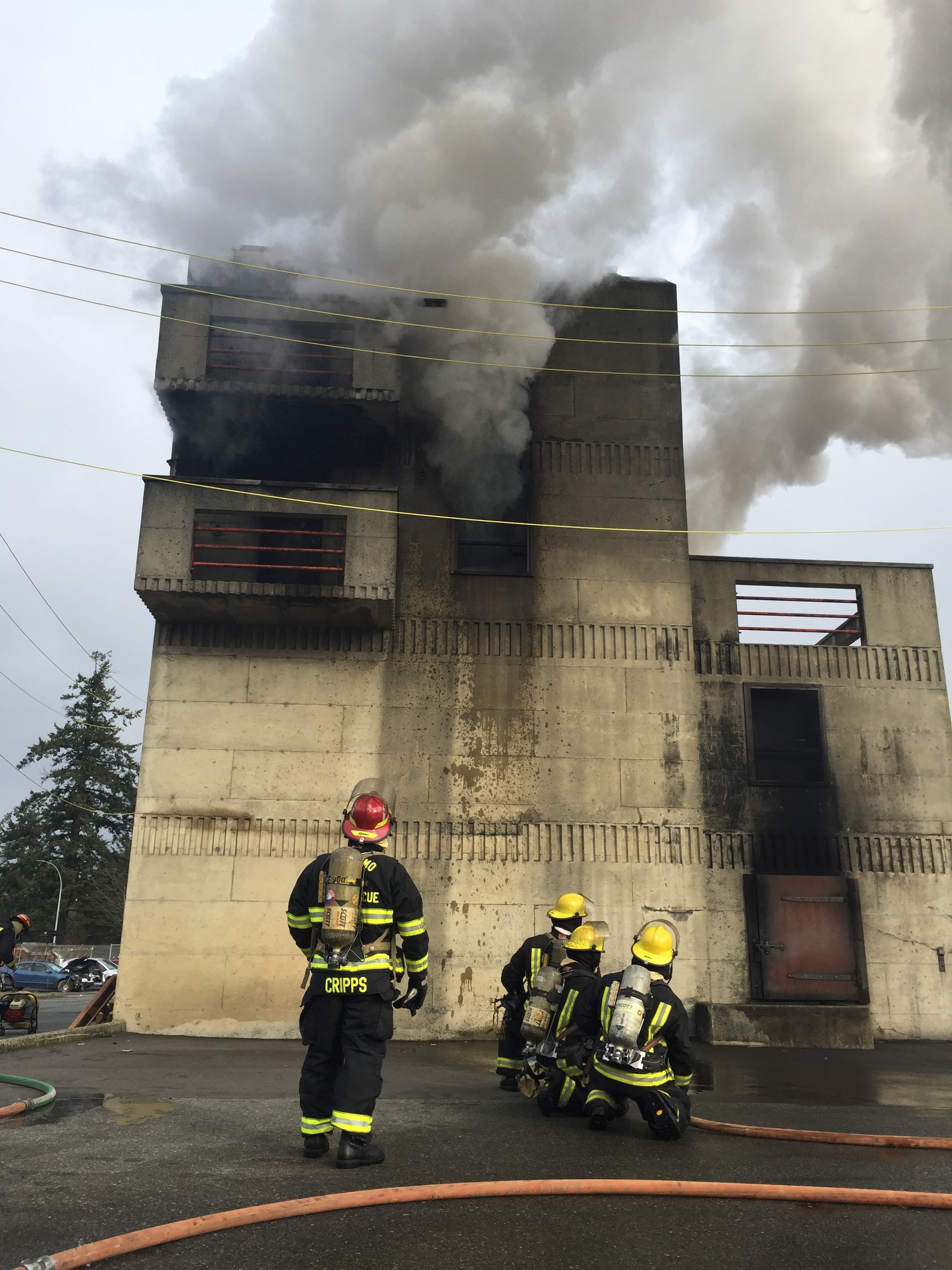
    • Don't delay water application. Get quick water on the fire to cool it using a steep angle with a steady, straight or solid stream off the ceiling to cool hot gases.

    • Using a steep angle with a steady, straight or solid stream off the ceiling will limit chances of pushing fire. 

    • An exterior application of water with a steep, steady straight or solid stream off the ceiling followed by direct application to the visible flame (or if no flame visible, an O pattern to coat the room surfaces) with the nozzle inside the window frame is ideal and limits the entrainment of air. If the fire is on a higher floor, a rapid transition to the interior once water is pencilled off the ceiling must be coordinated. Don't forget to cool the interior gases with an upside down U pattern as you advance to the fire room.

    • What's the difference between VENTILATION LIMITED and FUEL LIMITED fires?

    • VENTILATION LIMITED FIRES have used up all the oxygen and are waiting for a gasp of air. FUEL LIMITED FIRES have used up all the fuel and have nothing left to burn. Today, most of our structure fires will be VENTILATION LIMITED.

    • What's the difference between a fire that may need DOOR CONTROL and a fire that doesn't?

    • If the fire location and magnitude is not known with a "high degree of certainty" the Incident Commander may decide to use DOOR CONTROL to limit the oxygen that is delivered to the uncontrolled fire. DOOR CONTROL is a "temporary action to limit the air until you gain the upper hand, and the upper hand is when you begin to put water on the fire". 

    • Opening a door in an uncontrolled fire creates a FLOW PATH between the fire and the open door. If you enter a door that's left open, you are now between the fire and the exact place it wants to travel.  

    • If assigned to DOOR CONTROL, some considerations are to control the amount of oxygen to the uncontrolled fire by keeping the entry door closed at least 2/3rds of the way. You can also use a tool to make noise on the floor and shine a light so crews can find their way back as well as help feed the hose while counting couplings, so you know how far in the crew is. 

    • When is it useful to use a positive pressure fan?

    • Knowing the location and magnitude of the fire with a "high degree of certainty", knowing that the fire is in a compartment like a bedroom and not a large open space with high ceilings, knowing that exhaust openings can be made that are twice the size of the inlet to the room, and being sure that the pressure in the fire room will be lower than the pressure created by the fan in the rest of the house are all essential pieces of information needed before considering the use of a fan before water is applied. Applying water to reduce the pressure created by the fire before introducing the fan will improve safety. Using the fan in a coordinated attack before the "under control" benchmark is call POSITIVE PRESSURE ATTACK. 

    • POSITIVE PRESSURE VENTILATION can be used once water has been put on the fire to control it and you've "gained the upper hand". At that moment, when you believe the fire is "under control", opening up all the windows or doors to the outside (in the rooms that have been affected by smoke) and using a fan to pressurize the building pushing the hot gases out of the structure is POSITIVE PRESSURE VENTILATION.

    •